
Managed Care

The Medications Redefining CKD Management: A Look at the Core Four Pillars

Overview

CKD is a life limiting diagnosis, and as kidney function declines, it can be the result of terminal illness. All of which to say, CKD is preventable, and the treatment regimen often targets the combination of factors that cause it, specifically HTN and T2DM. Clinical trials have shown that mineralocorticoid receptor antagonists, glucagon-like peptide 1 receptor agonists, and sodium-glucose co-transporter 2 inhibitors are beneficial in lowering adverse events in CKD, significantly increasing the options for effective treatment. These drug classes have been suggested as the four pillars of CKD, together with angiotensin-converting enzyme inhibitors or angiotensin receptor blockers. However, even in high-risk individuals, these medications are underutilized for therapy management.

Chronic Kidney Disease and its Intersection with Risk Factors

  • T2DM is the primary leading cause of CKD and can serve as a predictor for kidney disease progression. Antiglycemic agents are an essential approach for lowering the risk of kidney disease irrespective of T2DM diagnosis. 
  • Chronic hypertension is the second leading cause for CKD because it results in the long term increase of glomerular pressure which can damage the renal vasculature leading to the acceleration of kidney disease progression. Even mild blood pressure elevations can increase the risk of developing CKD and progressing toward ESRD. Blood pressure management in CKD patients should be considered irrespective of hypertension.
    • Per 2024 KDIGO guidelines, a standardized blood pressure of less than 120/80 mmHg is advised to lower the risk of cardiovascular disease and the onset and progression of chronic kidney disease. However, blood pressure targets should be customized based on life expectancy, frailty, and fall and fracture risk.
  • AKI is becoming more widely acknowledged as a precursor to CKD. The vulnerable 7 to 90 day period following AKI when kidney function has not fully restored is known as AKD. During this timeframe, patients are at higher risk of transitioning to CKD, ESRD, cardiovascular complications, and mortality. Close monitoring is needed to ensure no further kidney damage occurs during AKD.
  • T2DM, HTN, and AKI are all factors that contribute to CVD and strong indicators of CKD. As we dive into the treatment and management of CKD, it is important to recognize that optimization of these drug therapies for these indicators alone would serve as a preventative. 

Overall Prevalence in the Adult General Population

Chronic Kidney Disease in the United States, 2023 report from the Centers for Disease Control and Prevention (CDC)
  • Women are slightly more likely than men to have CKD (14.4% versus 11.8%)
  • CKD affects about 20% of non-Hispanic Black adults
  • CKD affects about 12% of non-Hispanic White adults
  • CKD affects about 14% of non-Hispanic Asian adults
  • CKD affects about 14% of Hispanic adults
  • People 65 years of age or older had the highest prevalence of CKD (33.7%), followed by those 45 to 64 (12.3%), and those 18 to 44 (6.3%)

CKD: Trends in Adults with T2DM & HTN

The following charts and data below take a look at trends with respect to population and various disease states:

Source and Images: Centers for Disease Control. Available at: https://wwwn.cdc.gov/kdss/TopicHome/PrevalenceIncidence.aspx?topic=1

Trends from 2001-2020: Until 2013-2016, the % of CKD in adults with diabetes was at a steady decline; however, from 2017-2020, there was a 3.6% increase.
Trends from 2001-2020: The % of CKD in adults with hypertension remained relatively stable.

Without adjusting for age, sex, or other demographics (⋯ overall), the prevalence was 12.9% in 2001-2004 and 13.9% in 2017-2020. CKD was more common in women, individuals 70 years of age or older, non-Hispanic Black adults, and adults with diabetes or hypertension.

Albuminuria: Trends in Adults with T2DM & HTN

Source and Images: Centers for Disease Control. Available at: https://wwwn.cdc.gov/kdss/TopicHome/PrevalenceIncidence.aspx?topic=1

Trends from 2001-2020: Until 2013-2016, the % of albuminuria in adults with diabetes was at a steady decline; however, from 2017-2020, there was a 5.1% increase.
Trends from 2001-2020: The % of albuminuria in adults with hypertension since 2009-2012 had a 1.6% increase.

Without adjusting for age, sex, or other demographics (⋯ overall), the prevalence was 9.4% in 2001-2004 and 10.2% in 2017-2020. Albuminuria was more common in women, individuals 70 years of age or older, non-Hispanic Black adults, adults with diabetes, hypertension, and CKD Stages 4 and 5.

Note: UACR (measure of kidney damage) and eGFR (measure of renal function) are the two primary indicators of kidney disease that should be checked at least once a year in those with or at risk of CKD. The KDIGO 2024 guideline recommends repeat testing three months after the identification of an abnormal eGFR or UACR.

What are the Four Core Pillars of CKD?

RAS Inhibitors: Reduce Kidney Failure Risk
  • When compared to placebo or other antihypertensive medications, ACEis or ARBs decreased the incidence of kidney failure requiring renal replacement therapy in individuals with CKD.

SGLT2 Inhibitors: Reduced CKD Progression Risk
  • SGLT2 inhibitors are known to be effective in diabetes management, but studies are beginning to show that the benefits extend beyond blood glucose control. When compared to a placebo, treatment groups with SGLT2 inhibitor therapy had a 37% lower risk of kidney disease progression.

nsMRA (finerenone): Combination Therapy for UACR Reduction
  • The 2024 KDIGO guidelines recommend combining finerenone with SGLT2 and RAS inhibitors. Finerenone has been demonstrated to lower composite kidney outcomes, heart failure hospitalizations, and all-cause mortality in those with CKD and T2DM. 
  • The CONFIDENCE trial showed that starting empagliflozin and finerenone together resulted in significantly greater albuminuria reductions than either medication alone.
    • Combination therapy: Reduced UACR from baseline by 52%
    • Monotherapies: Finerenone or empagliflozin reduced UACR by 32% and 29%, respectively.

GLP-1 RA: Reduction in Kidney Composite Outcomes
  • According to the 2024 KDIGO guidelines, individuals with T2DM and CKD who are unable to utilize metformin and a SGLT2 inhibitor or who do not achieve glycemic targets with both medications should also use a GLP-1 receptor agonist. 
  • GLP-1 RAs reduce kidney composite outcomes by 21%.

The Bottom Line in CKD Management

CKD management involves a proactive and comprehensive treatment approach as incidence continues to rise. RAS inhibitors, SGLT2 inhibitors, nsMRAs, and GLP-1 RAs are the core pillars. This is a significant change in the way medical professionals manage kidney health. Blood pressure and glucose control are no longer the only ways to manage CKD; instead, these treatments are combined to delay the disease course, lower cardiovascular risk, and greatly improve long-term outcomes.

The four therapies are changing the standard of care with updated KDIGO recommendations and new evidence in support of combination therapy. In addition to refining medication regimens, pharmacists and other healthcare providers must stay up to date on these new medications in order to educate patients, detect care gaps, and promote timely screening with eGFR and UACR.

Ultimately, the best chance of influencing the course of CKD and improving quality of life for many individuals at risk is through early intervention, guideline-driven therapy, and coordinated care.

Lauren T., APPE Student

References

  1. Bakris GL, Agarwal R, Anker SD, Pitt B, Ruilope LM, Rossing P, Kolkhof P, Nowack C, Schloemer P, Joseph A, Filippatos G; FIDELIO-DKD Investigators. Effect of Finerenone on Chronic Kidney Disease Outcomes in Type 2 Diabetes. N Engl J Med. 2020 Dec 3;383(23):2219-2229. Epub 2020 Oct 23. 
  2. Burnier, Michel and Damianaki, Aikaterini. Hypertension as Cardiovascular Risk Factor in Chronic Kidney Disease. Circulation Research, vol. 132, no. 8, 2023, pp 1050-1063. 
  3. Cheng, A.Y.Y., Mottl, A. & Magwire, M. Pillar Risk-Based Treatment for Chronic Kidney Disease in People With Type 2 Diabetes: A Narrative Review. Diabetes Ther 16, 2083–2099 (2025).
  4. Joana Gameiro, Beatriz Gouveia, José Agapito Fonseca, José António Lopes, The burden of acute kidney disease: an epidemiological review and importance of follow-up care, Clinical Kidney Journal, Volume 18, Issue 6, June 2025   
  5. Kidney Disease Statistics for the United States – NIDDK. National Institute of Diabetes and Digestive and Kidney Diseases, U.S. Department of Health and Human Services, Sept. 2024, www.niddk.nih.gov/health-information/health-statistics/kidney-disease.  
  6. Koh ES, Chung S. Recent Update on Acute Kidney Injury-to-Chronic Kidney Disease Transition. Yonsei Med J. 2024 May;65(5):247-256.
  7. Treihaft A M, Parikh M A, Jackson K A, et al. (April 07, 2025) New Therapies for the Management of Chronic Kidney Disease. Cureus 17(4): e81824.

The Medications Redefining CKD Management: A Look at the Core Four Pillars Read More »

Residency, Fellowship, post-graduates’ programs; what to choose?

Over the last decade, the profession of pharmacy and the capabilities of a pharmacist has advanced immensely with respect to broader clinical responsibilities and logistical needs in the Pharma industry. We previously lived in a time where a bachelor’s degree in pharmacy sufficed for a career in pharmacy practice. Since 2003; however, the Doctor of Pharmacy (PharmD) degree has superseded previous qualifications to become a licensed pharmacist and has provided pharmacists more holistic roles as a healthcare provider. To dive deeper, the role of a pharmacist now extends from the initial introduction of a chemical molecule for drug therapy all the way to managing a patient’s regimen post dispensing. Based on the competitiveness and saturation of the workforce, in addition to employment projections showing decreased future demand for retail pharmacists (as previously mentioned in our Pharmacist market saturation and career outlook blog here), it is presumed by many that a PharmD will simply be a stepping stone within the realm of pharmacy practice. Therefore, the well-rounded ability needed for our future pharmacists will strongly build through residencies and fellowship.

What are some opportunities to differentiate yourself as a newly graduate? Let’s take a look at the following main categories of post-graduate training programs:

Residencies:

  • Focus primarily on direct patient care
  • Within a clinical, hospital, or community setting
  • Collaborate with pharmacists, nurses, and other healthcare professionals
  • Duration: 1 year each – Postgraduate Year One and Two (PGY1 and PGY2)
    • PGY1 – General medicine
    • PGY2 – Specialized therapeutics
      • Specific areas of focus include: Ambulatory care, cardiology, critical care, geriatric, pediatric, oncology, pain management, and more. For a more complete list of options, be sure to check out American Society of Health-System Pharmacists’ (ASHP) website.
    • Interestingly enough, the perception of a PGY3 residency has been viewed negatively by many pharmacists. Based on a distributed survey, residents, preceptors, coordinators, and other pharmacists believe that PGY3 training offers limited benefits in professional development.
  • Career after completion: Hospital or clinical pharmacist

While clinical and hospital settings are more predominate, many also choose to pursue community-based residency programs. This path allows residents to remain within the community setting while taking on critical education and training to provide increased care and improve patient outcomes.

Another popular residency of interest is managed care. Managed care residencies heavily focus on evidence-based clinical decision-making and comparative research, medication therapy management, clinical drug evaluation, formulary management, quality assurance, and drug utilization review. A pharmacist within these roles is responsible for performing any analysis, for example, drug utilization data to identify trends and then implement new strategies to improve patient outcomes. Additionally these roles may also require on-going knowledge of all heath plan pharmacy benefits. Beyond the logistical aspects of analyses, clinical knowledge is key for a successful career in managed care. Managed care pharmacists are also part of multidisciplinary teams during rounds in which they serve as the primary drug information resource, provide pharmaceutical interventions, facilitate prior authorizations, and develop educational materials for patients and providers.

What’s the likelihood of matching?

Below is a graphical representation of the match statistics between 2013-2022. Figure 1 illustrates the number of applicants participating in the match, positions offered, matches/positions filled, unmatched applicants, and unfilled positions. Based on the trend, it’s easy to interpret that residency is playing an expanding role as more programs are being introduced each year. There are a few things to note about the trend seen in 2022, specifically the drop in applicants participating in the Match and the decrease in unmatched applicants. Even though this 2022 trend doesn’t have an exact explanation, it is something to watch in future years to understand its direction. Also, there was a rise in 2022 unfilled positions, which has not been seen for a few years and could be indicative of a continued increase in residency programs.
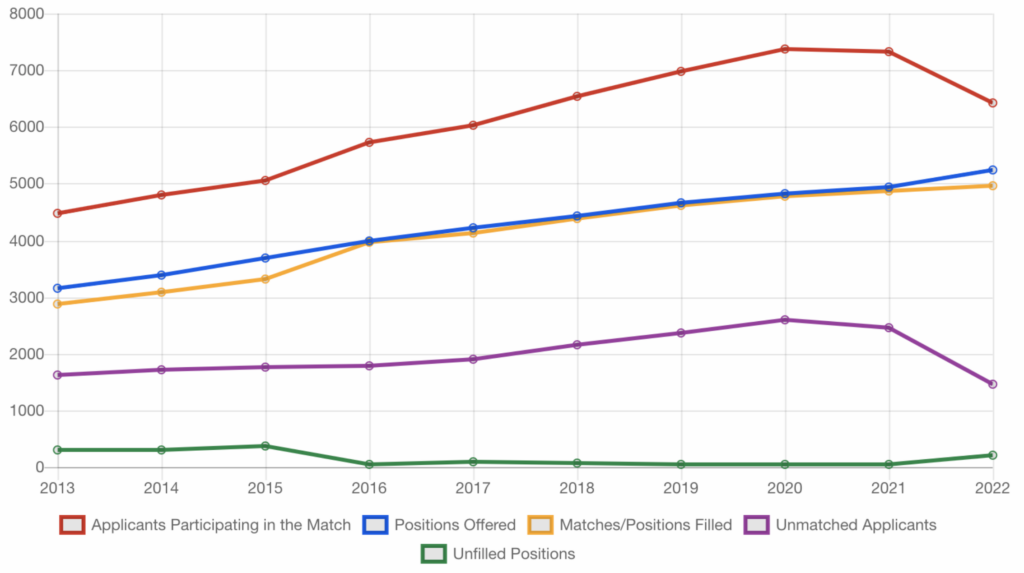
Figure 1. Complete match statistics between 2013-2022.

Fellowships:

  • More research and data-based
  • Within the pharmaceutical industry, academia, nontraditional pharmacy or healthcare setting
  • Collaborate with professionals, both in and out of healthcare
  • Duration: Ranges between 1-3 years depending on the program
  • Career after completion: Pharmaceutical industry or academia

It is very clear that these two main options provide two distinct pathways. The direction you wish to pursue will strictly depend on your interests. If you thoroughly enjoyed classes that focused on therapeutics, pharmacology, and kinetics throughout pharmacy school then a residency may be the best option for you. Conversely, if you were more engaged on the economics, research, and administrative science side of pharmacy, then a fellowship would be better suited for you. Whether you wish to enhance your clinical knowledge or look for professional advancement, a residency or fellowship will provide a firm foundation and present you with many unique career opportunities down the road.

What can you do now and what are some additional resources to find out more?

  • Take a moment to fill out the APhA Career Pathway Evaluation Program for Pharmacy Professionals survey. This quiz will aim to assess your goals, values, strengths, likes, and dislikes.
  • Maximize your potential and showcase your academic achievements while demonstrating your leadership qualities outside of the classroom.
  • Check out the ASHP and ACCP directories to get a better idea of the many residency and fellowship opportunities out there and which institute may best suit you.

Whatever you wish to do is ultimately your decision. Reach out to individuals that took a similar career path that interests you. Ask them questions that will guide you to understand if the career path you are interested in is the right one for you. In today’s world of career networking through social media platforms like LinkedIn, pharmacists can provide you with valuable feedback on why they chose their own journeys and how their choices have impacted their lives over the years. It is crucial to keep seeking advice from other pharmacists who have been where you want to go. Striving for excellence is what we pharmacists know how to do quite well. All we recommend from our end is to be the best version of yourself and manifest all your skills in an effort provide to the pharmacy profession.

Good luck!

Dagmara Zajac

RxPharmacist Team

References:

  1. Dang, Y. H., To-Lui, K. P. (2020). Pharmacist perceptions of and views on postgraduate year 3 training. American Journal of Health-System Pharmacy, 77(18), 1488-1496. doi:10.1093/ajhp/zxaa198
  2. Doctor of Pharmacy. (n.d.). Retrieved September 19, 2020, from https://en.wikipedia.org/wiki/Doctor_of_Pharmacy
  3. Goode, J. R., Owen, J. A., Bennett, M. S., & Burns, A. L. (2019). A marathon, not a sprint: Growth and evolution of community-based pharmacy residency education and training. Journal of the American College of Clinical Pharmacy, 2(4), 402-413. doi:10.1002/jac5.1140
  4. ASHP Match | Statistics of the Match. Natmatch.com. https://natmatch.com/ashprmp/stats.html. Published 2022. Accessed October 7, 2022.
  5. Postgraduate Education Frequently Asked Questions: Residencies and Research Fellowships. (n.d.). Retrieved September 17, 2020, from https://www.pharmacist.com/sites/default/files/files/10-417postgraduate.pdf
  6. Tips on Applying for a Residency or Fellowship. Academy of Managed Care Pharmacy. (n.d.). Retrieved September 19, 2020, from https://www.amcp.org/resource-center/group-resources/residents-fellows/tips-on-applying-residency-fellowship

Residency, Fellowship, post-graduates’ programs; what to choose? Read More »

error: Content is protected !!
Popup Form

Want to get a free MPJE® or NAPLEX® cheat sheet? Subscribe to our email list!

By subscribing to this email list, you agree to our Privacy Policy and consent to receive emails from us.

MPJE® is a registered trademark of the National Association of Boards of Pharmacy. RxPharmacist®, LLC. and its services are neither affiliated with nor endorsed by the NABP®. None of the trademark holders is affiliated with, and does not endorse RxPharmacist’s product/site.

0